

Rectal pain, bleeding, itching, or discomfort during bowel movements can have several causes. What Is the Difference Between Piles, Fissure and Fistula? Piles are swollen blood vessels around the anus, fissures are small tears in the anal lining, and fistulas are abnormal tunnels that usually develop between the anal canal and nearby skin. Although their symptoms can overlap, the causes and treatments are different. Knowing the difference can help you seek the right medical care at the right time
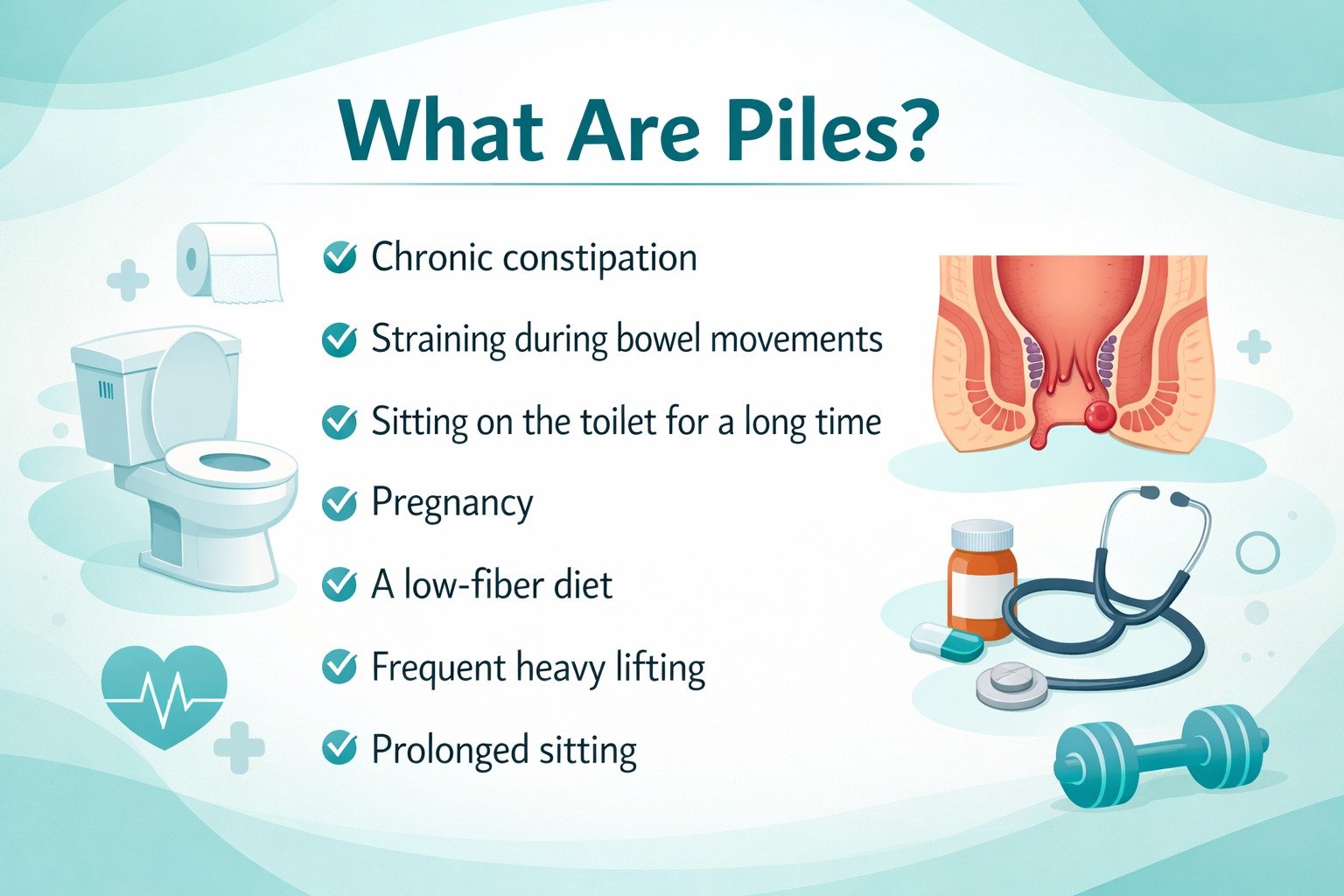
Piles, also called hemorrhoids, are swollen blood vessels in and around the anus or lower rectum. They can develop due to increased pressure in these blood vessels.
Common factors that may contribute to piles include:
Typical symptoms include bright-red bleeding during bowel movements, itching, irritation, swelling, or pain, particularly with external piles.
An anal fissure is a small tear or crack in the lining of the anus. It commonly occurs after passing a hard or large stool.
People with an anal fissure often experience sharp pain during bowel movements. The pain may continue for some time afterward. Small amounts of bright-red blood may also appear on toilet paper or on the surface of the stool.
Constipation is a common trigger, but frequent diarrhea, childbirth, inflammatory bowel disease, and other conditions can also contribute to fissures.
Keeping stools soft and avoiding straining are important parts of preventing recurrent fissures.
An anal fistula is an abnormal tunnel that develops between the inside of the anal canal and the skin near the anus. It often develops after an anal abscess has drained or been treated.
Unlike uncomplicated piles or fissures, a fistula often causes persistent or recurring drainage from an opening near the anus.
Possible symptoms include:
An anal fistula generally does not heal on its own and may require a surgical procedure after proper assessment.
The easiest way to understand these conditions is to compare their underlying problems.
Condition | What Happens? | Common Symptoms | Typical Treatment |
Piles | Blood vessels become swollen | Bleeding, itching, swelling, discomfort | Diet changes, medicines, procedures or surgery depending on severity |
Fissure | A tear develops in the anal lining | Sharp pain, burning, bleeding | Stool-softening measures, medicines and sometimes surgery |
Fistula | An abnormal tunnel forms between the anal canal and skin | Drainage, recurring swelling, pain | Usually requires surgical evaluation and treatment |
Because symptoms can overlap, self-diagnosis is not always reliable. A doctor may need to examine the area and review your symptoms before confirming the diagnosis.
Diagnosis begins with a detailed medical history. Your doctor may ask about pain, bleeding, bowel habits, constipation, discharge, previous abscesses, and how long you have had symptoms.
Depending on the suspected condition, examination may include:
A proper diagnosis is especially important when symptoms are persistent, recurrent, or associated with significant bleeding or discharge.
Treatment depends on the severity and type of piles.
Mild symptoms may improve with lifestyle changes such as:
Some patients may need medicines or office-based procedures. More advanced or recurrent piles may require a surgical procedure.
Patients searching for a Piles surgeon in thane should choose a qualified specialist who can first determine the exact cause of rectal bleeding and recommend appropriate treatment.
Laser procedures may be considered for selected patients with symptomatic piles. The suitability of laser treatment depends on the type and severity of hemorrhoids and the patient’s overall condition.
People researching Laser Piles Surgery in thane should discuss the benefits, limitations, alternatives, recovery expectations, and potential risks with a qualified surgeon before making a decision.
It is important to remember that not every patient with piles needs surgery or laser treatment. Early-stage symptoms can often be managed conservatively.
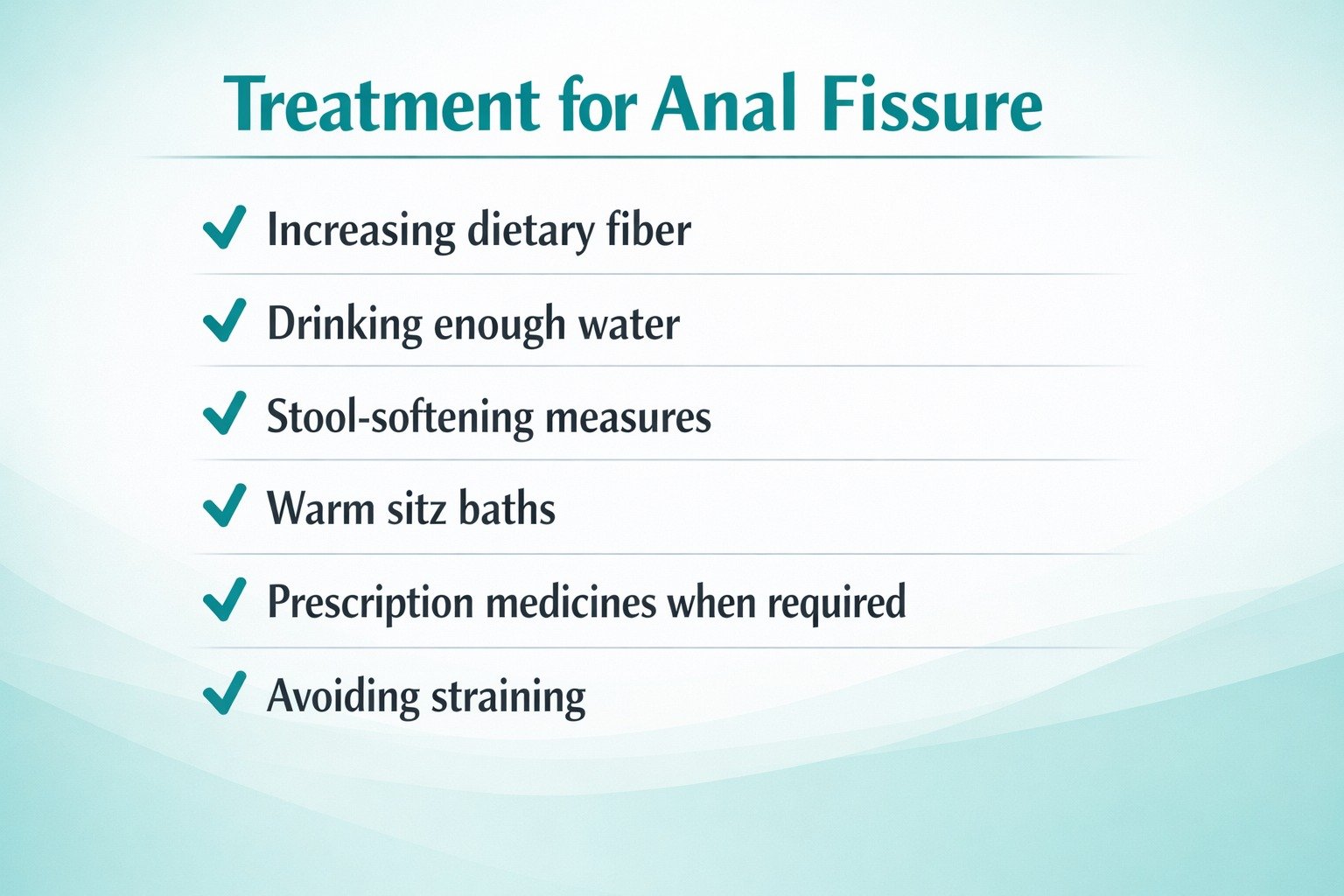
Many acute anal fissures improve when the underlying constipation or hard stools are addressed.
Treatment may include:
Chronic fissures that do not respond to conservative treatment may require additional medical or surgical management.
An anal fistula requires different treatment from piles or fissures. Because a fistula creates an abnormal tract, simply treating the pain or discharge may not solve the underlying problem.
Depending on the fistula’s location and complexity, treatment may involve procedures such as fistulotomy, seton placement, or other sphincter-preserving techniques.
The appropriate procedure is selected after evaluating the fistula’s anatomy and its relationship with the anal sphincter muscles.
You should seek medical evaluation if you experience:
Do not assume that every instance of rectal bleeding is caused by piles. Other gastrointestinal conditions can also cause bleeding and may require medical evaluation.
If symptoms are affecting your daily life, timely evaluation can help identify the cause and prevent unnecessary delay in treatment. Patients looking for Piles Treatment In thane should consider a specialist who provides proper diagnosis and discusses both non-surgical and surgical options.
When selecting a doctor, look for appropriate qualifications, experience in treating anorectal conditions, clear communication, and a treatment plan based on your individual condition.
Patients searching online for the Best Piles surgeon in thane should also focus on clinical expertise and proper diagnosis rather than choosing a provider based only on promotional claims.
Similarly, people searching for the best piles doctor in thane should understand that the right treatment depends on whether the symptoms are caused by piles, a fissure, a fistula, or another condition.
Piles, fissures, and fistulas are anorectal conditions, while a hernia is a different surgical problem. A hernia occurs when an internal organ or tissue pushes through a weak area in the surrounding muscle or tissue.
Patients who also have a diagnosed abdominal or groin hernia can learn more about Laparoscopic Hernia Surgery through the relevant surgical service page. The minimally invasive approach may be suitable for selected hernia patients after a proper evaluation.
For patients looking for a best piles laser treatment near me it is important to remember that laser treatment is not automatically the best option for every patient. A specialist should assess the condition before recommending a procedure.
Those considering treatment from a best laser piles surgeon in thane should ask about the diagnosis, procedure being recommended, expected benefits, possible complications, and recovery period.
Understanding what is the difference between piles, fissure and fistula is important because these conditions may cause similar symptoms but require different approaches to treatment. Piles involve swollen blood vessels, fissures are small tears in the anal lining, and fistulas are abnormal tunnels that often require surgical management.
If you have persistent pain, bleeding, swelling, or discharge around the anus, do not rely on self-diagnosis. A timely consultation with a qualified specialist can help identify the cause and guide you toward appropriate treatment.
For patients in Thane looking for expert surgical care, it is important to consult the right specialist for the specific condition. If you are searching for a Hernia Doctor you can also explore a qualified specialist through the provided location listing. For anorectal concerns such as piles, fissure, or fistula, schedule an appointment with an appropriate specialist for a proper examination and personalized treatment plan.