
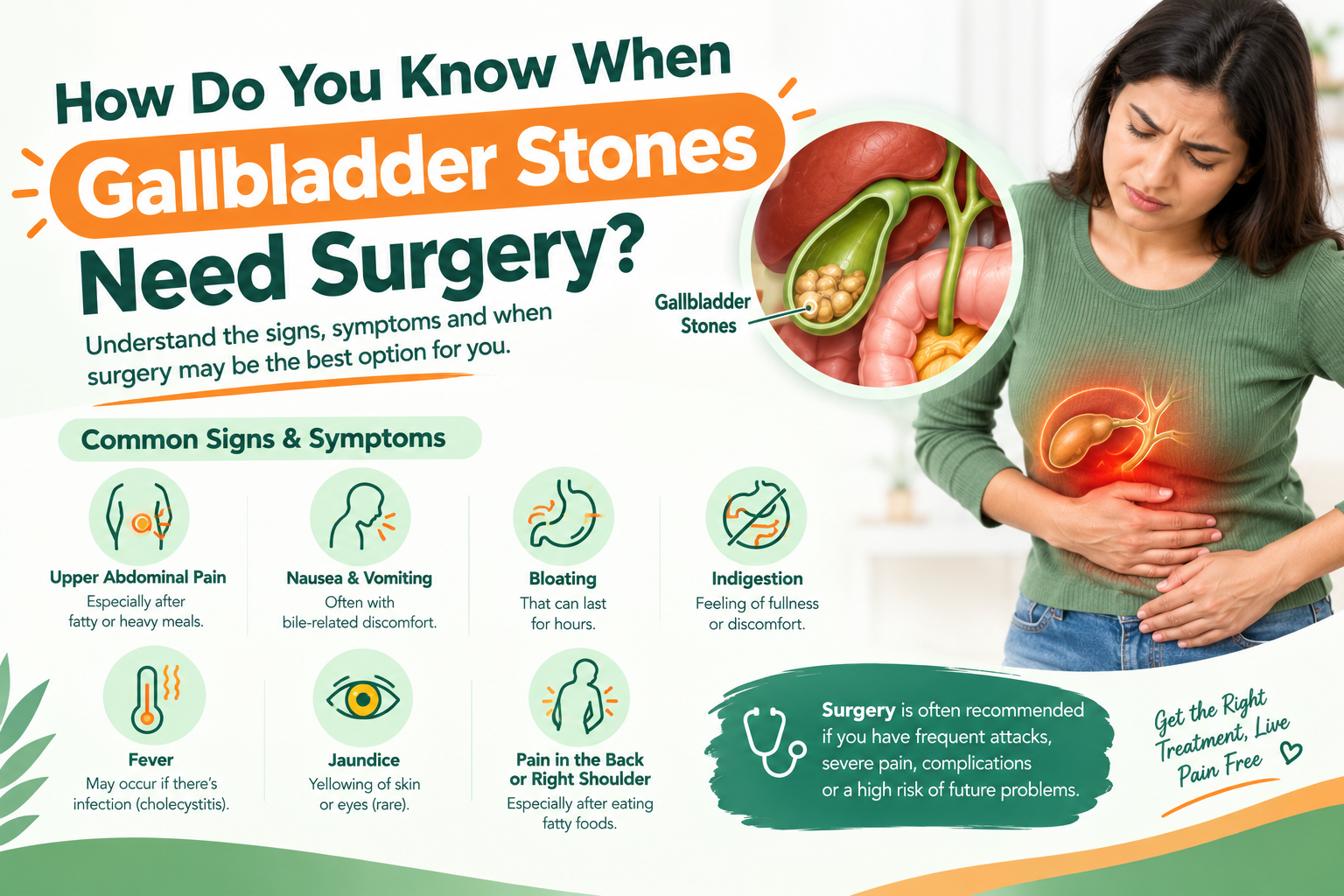
How Do You Know When Gallbladder Stones Need Surgery?
Gallbladder stones, also called gallstones, are a common digestive problem that can cause abdominal pain, nausea, vomiting, and other discomforts. While some people have gallstones without any symptoms, others may experience repeated pain or serious complications that require medical treatment.
But how do you know when gallbladder stones need surgery? The answer depends on your symptoms, medical history, ultrasound findings, and whether the stones are causing complications.
Dr. Sunil Bangera, a general and laparoscopic surgeon in Thane, provides surgical care for gallbladder stones using modern laparoscopic techniques. If you are searching for the Best Laparoscopic Hernia Surgeon in Thane understanding a surgeon’s experience in minimally invasive procedures can also help you make informed decisions about surgical care. Consulting an experienced surgeon can help you understand your diagnosis and explore the most appropriate treatment options for your condition.
What Are Gallbladder Stones?
Gallbladder stones are hard deposits that develop inside the gallbladder, a small organ located below the liver. The gallbladder stores bile, which helps the body digest fats.
These stones can form when substances in bile, such as cholesterol or bilirubin, become concentrated and create solid deposits. Gallstones may be small like grains of sand or larger in size.
Some people never experience symptoms. However, when a stone blocks the flow of bile, it can cause pain and inflammation. In such cases, a doctor may recommend further investigation and treatment. Patients exploring Laparoscopic Hernia Surgery in Thane can also consult an experienced general and laparoscopic surgeon to understand minimally invasive surgical options for their specific condition.
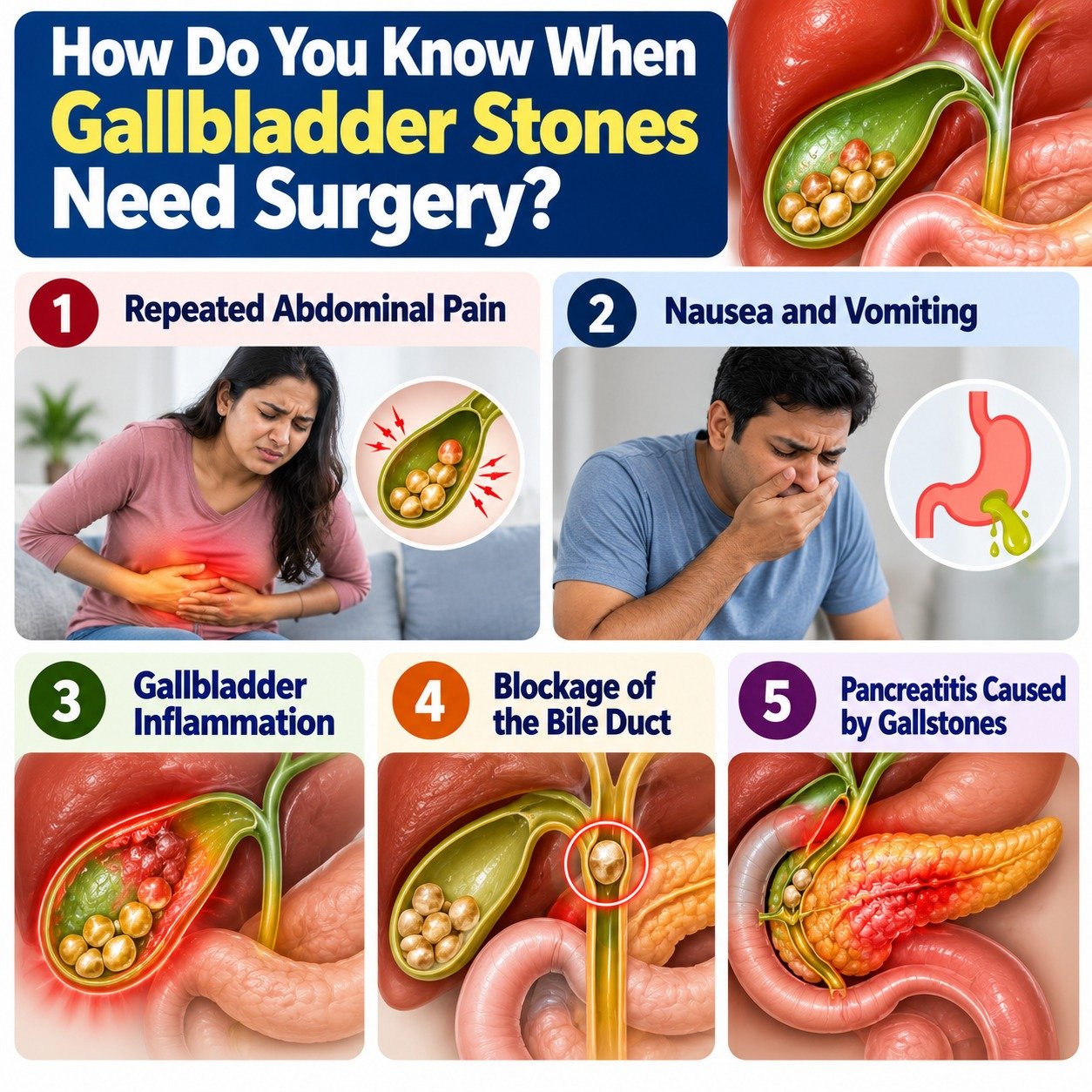
How Do You Know When Gallbladder Stones Need Surgery?
The following signs may indicate that gallbladder surgery should be considered.
1. Repeated Abdominal Pain
One of the most common symptoms of gallstones is pain in the upper right side of the abdomen. The pain may also occur in the upper middle abdomen and sometimes spread to the back or right shoulder.
These episodes may last from several minutes to a few hours. If the pain keeps returning, especially after meals, consult a doctor for an evaluation.
Repeated attacks caused by gallstones are a common reason for recommending gallbladder removal surgery. Consulting an experienced Hernia Doctor in Thane who also has expertise in general and laparoscopic surgery can help patients understand their symptoms and explore appropriate treatment options for conditions such as hernias and other abdominal problems.
2. Nausea and Vomiting
Gallstones can cause nausea and vomiting, particularly during episodes of gallbladder pain. You may also experience discomfort after eating.
If these symptoms occur repeatedly alongside upper abdominal pain, medical assessment is important. Your doctor can determine whether gallstones are responsible and whether surgery is appropriate.
3. Gallbladder Inflammation
A stone can block the gallbladder’s outlet and cause inflammation, a condition known as acute cholecystitis.
Symptoms may include persistent abdominal pain, tenderness, fever, and nausea. This condition requires urgent medical assessment and may need hospital treatment and surgery.
Do not ignore severe or continuous abdominal pain, as delaying treatment can increase the risk of complications.
4. Blockage of the Bile Duct
Sometimes, gallstones move from the gallbladder into the bile duct and block the flow of bile.
Warning signs may include yellowing of the eyes or skin, dark urine, pale stools, and itching. A bile duct blockage can lead to infection or other serious problems.
These symptoms need urgent medical attention. Treatment may involve removing the duct stone and, depending on the situation, removing the gallbladder.
5. Pancreatitis Caused by Gallstones
Gallstones can sometimes block the opening through which digestive juices drain, causing inflammation of the pancreas. This condition is called gallstone pancreatitis.
Severe upper abdominal pain that spreads to the back, particularly with repeated vomiting, requires immediate medical evaluation. Hospital treatment is often necessary, and gallbladder removal may be recommended to reduce the risk of another episode.
When Do Gallstones Not Need Surgery?
Not every person with gallbladder stones requires an operation.
If gallstones are discovered during an ultrasound performed for another reason and you have never experienced related symptoms, your doctor may recommend observation rather than immediate surgery.
However, the decision depends on your individual health, the findings of your investigations, and any specific risk factors. Regular medical advice is important if symptoms develop or your condition changes.
Medicines and dietary changes do not reliably eliminate gallstones or prevent every complication. Avoid relying on home remedies as a substitute for medical evaluation.
What Tests Help Determine Whether Surgery Is Needed?
Your doctor may recommend several tests to understand your condition and choose the appropriate treatment.
Abdominal ultrasound: This is commonly used to identify gallstones and assess the gallbladder.
Blood tests: These may help detect inflammation, infection, or problems affecting the liver and bile ducts.
Additional imaging: Depending on your symptoms and initial results, your doctor may recommend specialised imaging to check for stones in the bile duct or other complications.
The results, together with your symptoms and medical history, help determine whether surgery is necessary. Consulting an experienced Hernia Specialist in Thane or Hernia Surgeon in Thane with expertise in general and laparoscopic surgery can help you understand available treatment options for abdominal conditions, including hernias and gallbladder problems.
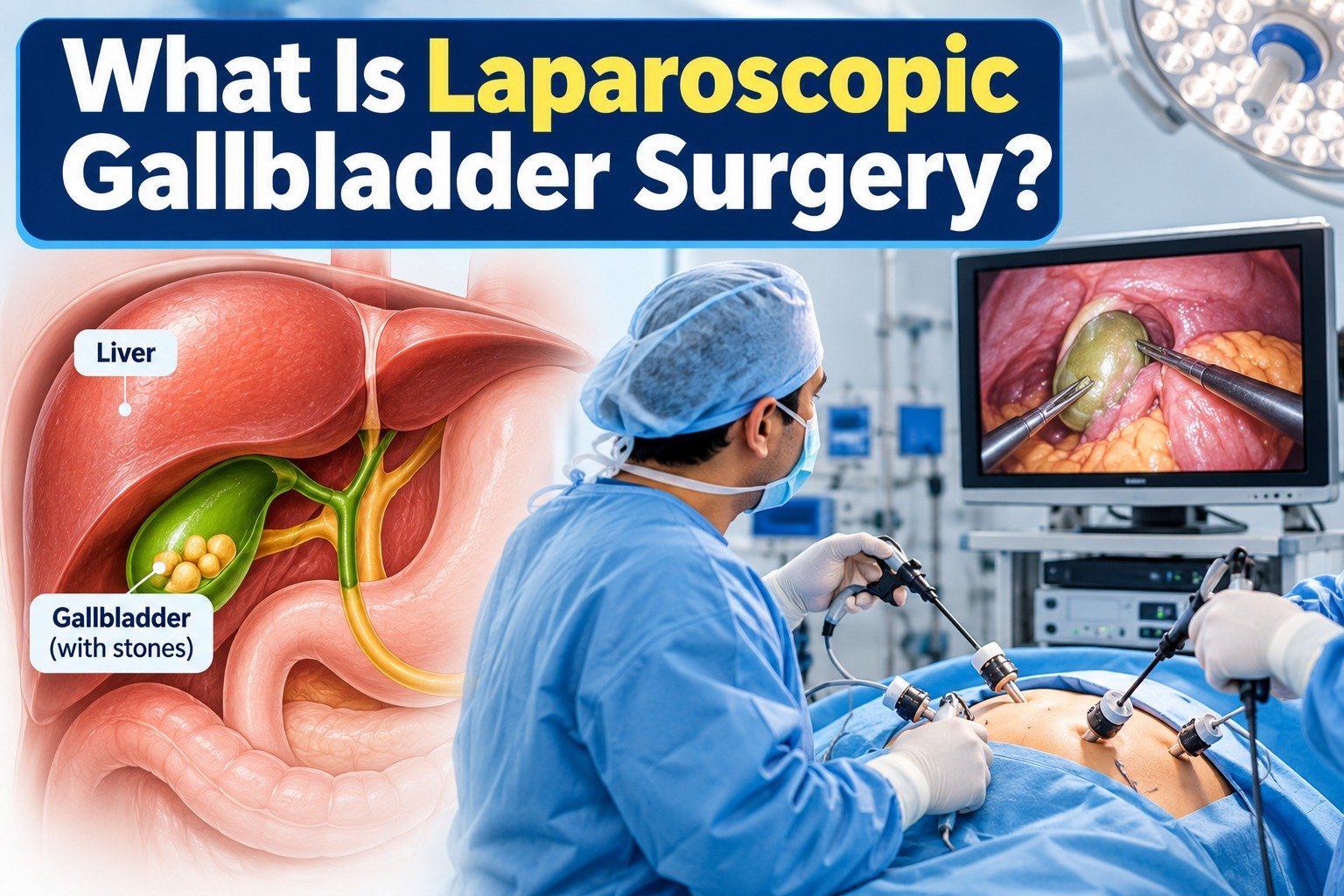
What Is Laparoscopic Gallbladder Surgery?
Laparoscopic gallbladder surgery, also known as laparoscopic cholecystectomy, is a procedure in which the gallbladder is removed through small abdominal incisions using a camera and specialised surgical instruments.
It is commonly recommended for symptomatic gallstones and certain gallstone-related complications.
Potential benefits include smaller incisions, less postoperative pain, and a shorter recovery period compared with traditional open surgery. However, outcomes and recovery times vary, and some patients may require an open procedure depending on their condition.
Most people can live normally without a gallbladder. After surgery, bile flows directly from the liver into the small intestine.
Dr. Sunil Bangera provides laparoscopic surgical care in Thane for patients with gallbladder stones. You can learn more about the procedure on the Laparoscopic Gallbladder Stones Surgery page.
Recovery After Gallbladder Stone Surgery
Recovery depends on your overall health, the type of surgery performed, and whether complications are present.
After laparoscopic surgery, many patients return to light activities within several days and gradually resume their normal routine as advised by their surgeon. Full recovery may take longer.
To support recovery:
Follow your surgeon’s instructions about wound care and medicines.
Start with light meals if recommended and gradually return to your usual diet.
Avoid heavy lifting until your surgeon says it is safe.
Attend scheduled follow-up appointments.
Seek medical advice if you develop fever, worsening pain, persistent vomiting, or yellowing of the skin or eyes.
Your surgeon will explain when you can return to work, exercise, and other daily activities.
Consult Dr. Sunil Bangera for Gallbladder Stone Treatment in Thane
If you are experiencing repeated abdominal pain, nausea after meals, or other symptoms associated with gallstones, a medical consultation can help you understand your treatment options.
Dr. Sunil Bangera is a general and laparoscopic surgeon in Thane with more than 30 years of surgical experience, according to his official website. His areas of practice include laparoscopic gallbladder surgery and hernia repair.
Patients looking for a Laparoscopic Doctor in Kalwa can visit his website to learn more about his surgical services and consultation details.
For directions, use Laparoscopic Surgery Kalwa on Google Maps.
Conclusion
Knowing when gallbladder stones need surgery can help you avoid delays in treatment. Repeated abdominal pain, gallbladder inflammation, bile duct blockage, and gallstone-related pancreatitis are important reasons to seek medical evaluation.
Although symptom-free gallstones may not require immediate surgery, persistent or severe symptoms should never be ignored. Consult a qualified surgeon to understand your diagnosis and treatment options.
For gallbladder stone evaluation and laparoscopic surgical care in Thane and Kalwa, visit Dr. Sunil Bangera’s official website and arrange a consultation based on your needs.
Medical disclaimer: This article is for general educational purposes only and does not replace a medical consultation or individualised treatment advice.