
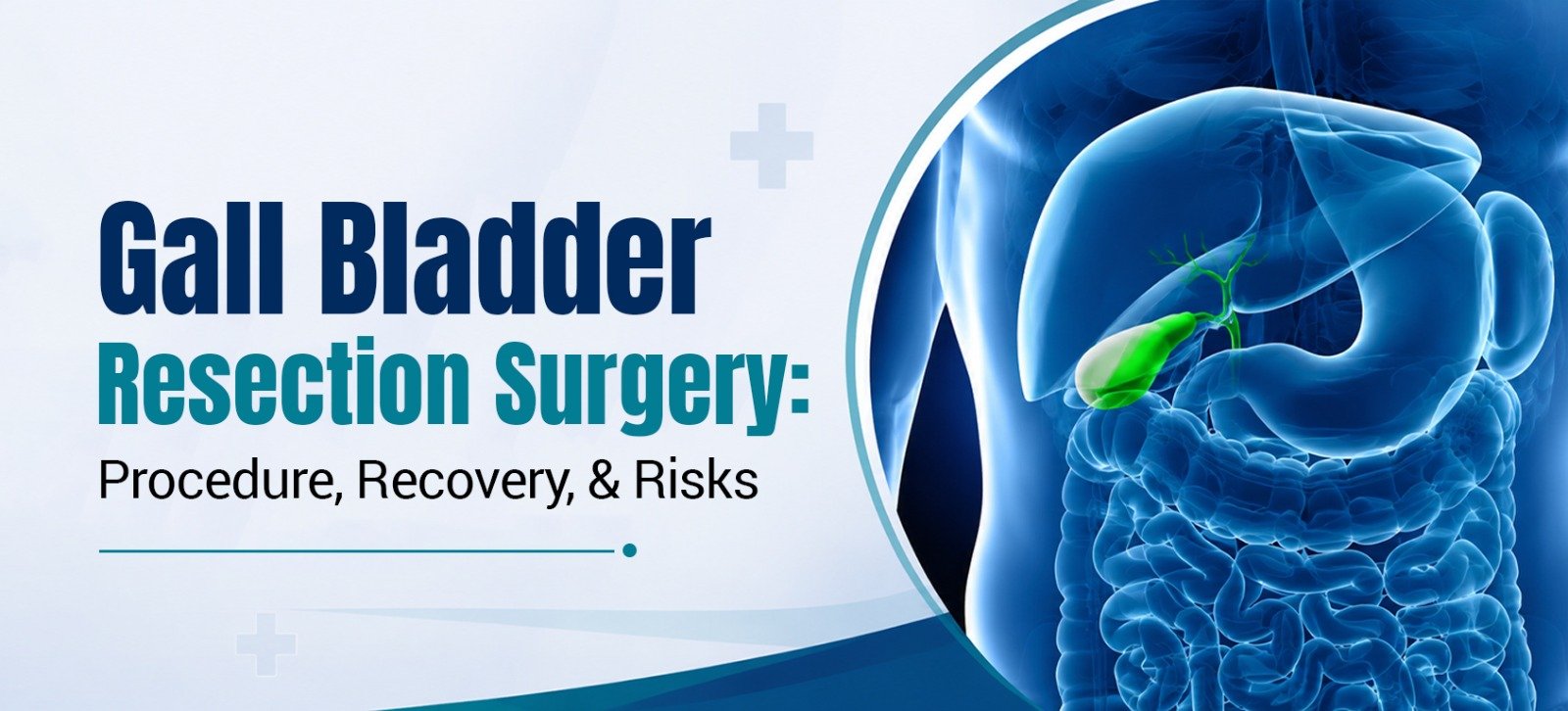
Gall Bladder Resection Surgery: Procedure, Recovery, and Risks
Gallbladder problems are common and can cause significant discomfort if left untreated. Understanding Gall Bladder Resection Surgery: Procedure, Recovery, and Risks can help patients make informed decisions about their treatment. Gall bladder resection surgery, also known as cholecystectomy, is a procedure performed to remove the gallbladder when it becomes diseased or causes recurring symptoms. Modern surgical techniques have made this procedure safer and more effective, allowing patients to recover quickly and return to their daily activities.
What Is the Gallbladder?
The gallbladder is a small, pear-shaped organ located below the liver. Its main function is to store bile, a digestive fluid produced by the liver. Bile helps the body digest fats and absorb certain nutrients.
Although the gallbladder plays a role in digestion, it is not an essential organ. People can live a healthy life without it because bile can flow directly from the liver into the small intestine.
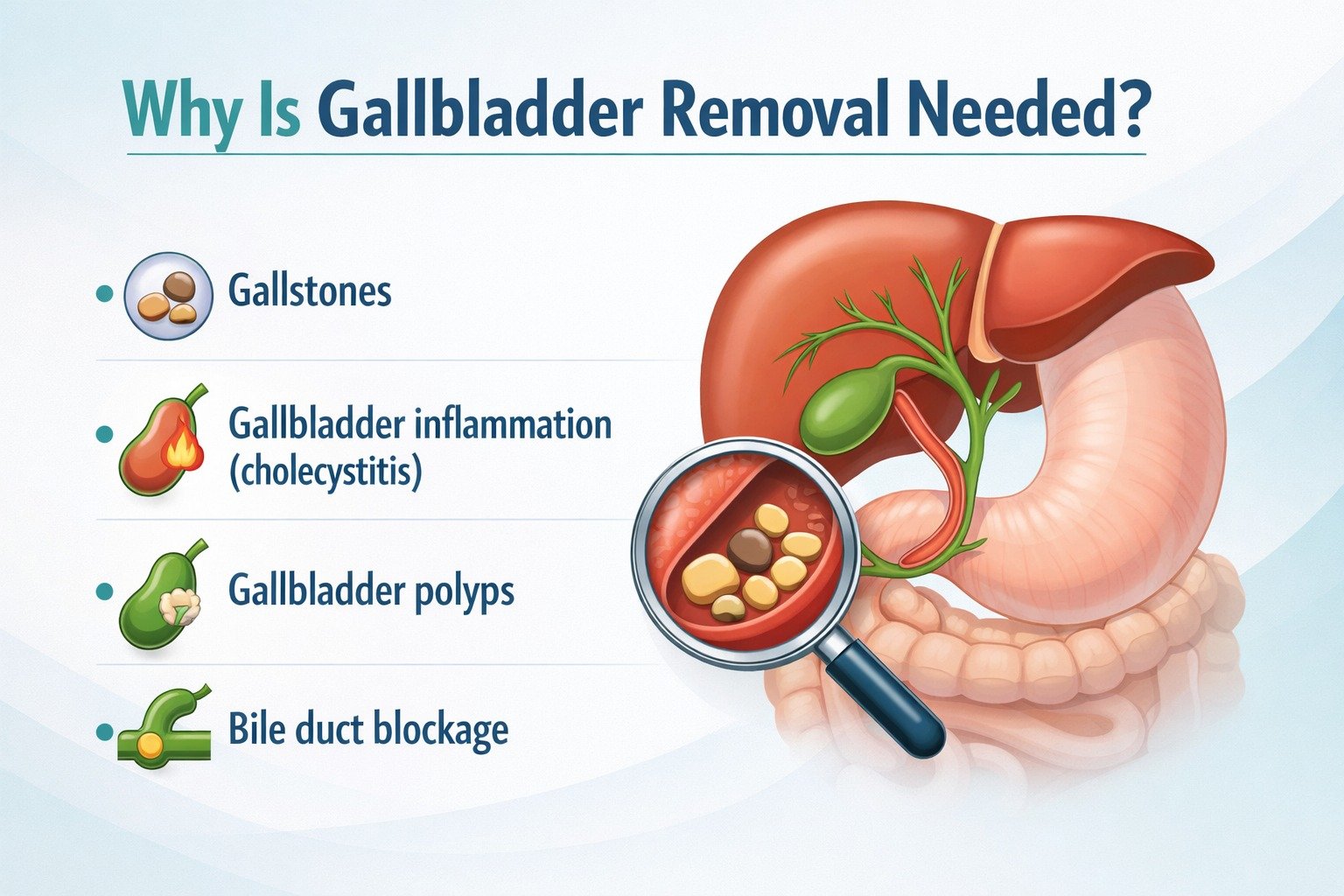
Why Is Gallbladder Removal Needed?
Gallbladder removal is usually recommended when the organ causes pain, infection, or other complications. Common reasons for surgery include:
- Gallstones
- Gallbladder inflammation (cholecystitis)
- Gallbladder polyps
- Bile duct blockage
- Recurrent abdominal pain
- Pancreatitis caused by gallstones
Ignoring these conditions can lead to serious health problems, including infection and damage to nearby organs.
Symptoms That May Indicate Gallbladder Disease
Many people experience symptoms before they are diagnosed with gallbladder problems. Common signs include:
- Pain in the upper right abdomen
- Nausea and vomiting
- Indigestion
- Bloating after meals
- Fever
- Jaundice (yellowing of the skin and eyes)
- Pain that spreads to the back or shoulder
If these symptoms occur frequently, medical evaluation is recommended.
Types of Gallbladder Removal Surgery
Laparoscopic Gallbladder Surgery
Laparoscopic surgery is the most common method used today. Small incisions are made in the abdomen, and a tiny camera is used to guide the surgeon during the procedure.
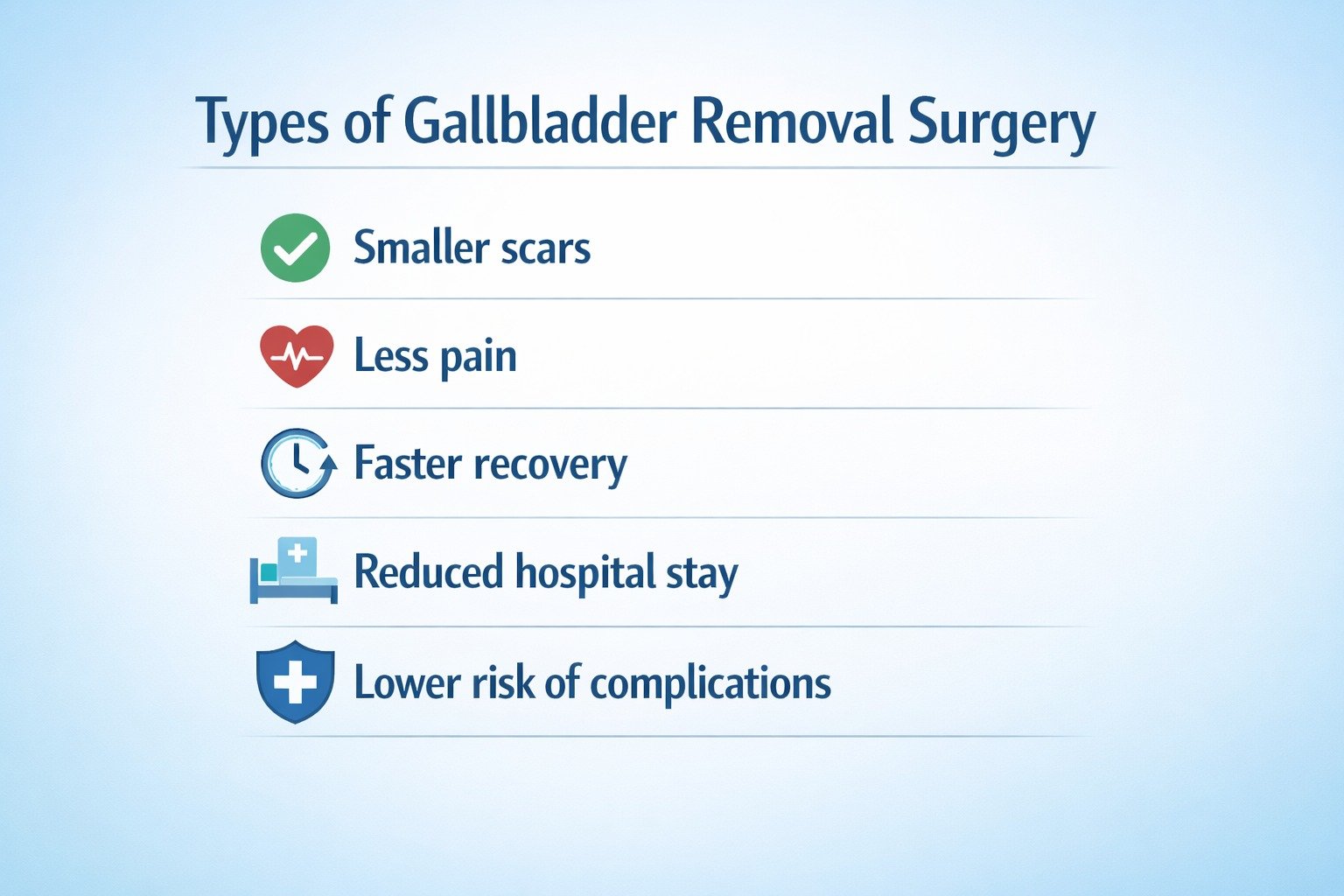
Benefits include:
- Smaller scars
- Less pain
- Faster recovery
- Reduced hospital stay
- Lower risk of complications
Patients looking for advanced minimally invasive treatment options can learn more about laparoscopic procedures here:
Laparoscopic Surgery Thane
Open Gallbladder Surgery
In some complex cases, open surgery may be required. This involves a larger incision and is usually recommended when severe inflammation, infection, or scar tissue is present.
Although recovery takes longer, open surgery remains a safe and effective option when necessary.
Gall Bladder Resection Surgery Procedure
The procedure generally follows these steps:
Before Surgery
Before the operation, patients undergo:
- Physical examination
- Blood tests
- Ultrasound or imaging scans
- Medical history review
Patients may be advised to avoid food and drink for several hours before surgery.
During Surgery
The surgery is performed under general anesthesia.
The surgeon:
- Makes small incisions in the abdomen.
- Inserts a laparoscope (small camera).
- Identifies and separates the gallbladder from surrounding tissues.
- Removes the gallbladder safely.
- Closes the incisions.
The procedure usually takes between 30 minutes and 2 hours, depending on the complexity of the case.
Recovery After Gallbladder Surgery
Most patients recover quickly after laparoscopic surgery.
First 24 Hours
Patients may experience:
- Mild discomfort
- Drowsiness from anesthesia
- Shoulder pain caused by surgical gas
Most patients can walk within a few hours after surgery.
First Week
During the first week:
- Light activities can usually be resumed.
- Pain gradually improves.
- Surgical wounds begin healing.
Returning to Normal Activities
Most patients return to work and normal activities within one to two weeks after laparoscopic surgery.
Open surgery may require a longer recovery period of four to six weeks.
Diet After Gallbladder Removal
The digestive system needs time to adjust after surgery. Doctors often recommend:
Foods to Eat
- Fresh fruits
- Vegetables
- Whole grains
- Lean proteins
- Low-fat dairy products
Foods to Avoid Initially
- Fried foods
- Oily foods
- Spicy foods
- Heavy meals
- Processed foods
Most patients can gradually return to a normal diet after recovery.
Risks of Gallbladder Surgery
Gallbladder removal is considered a safe procedure, but like all surgeries, it carries some risks.
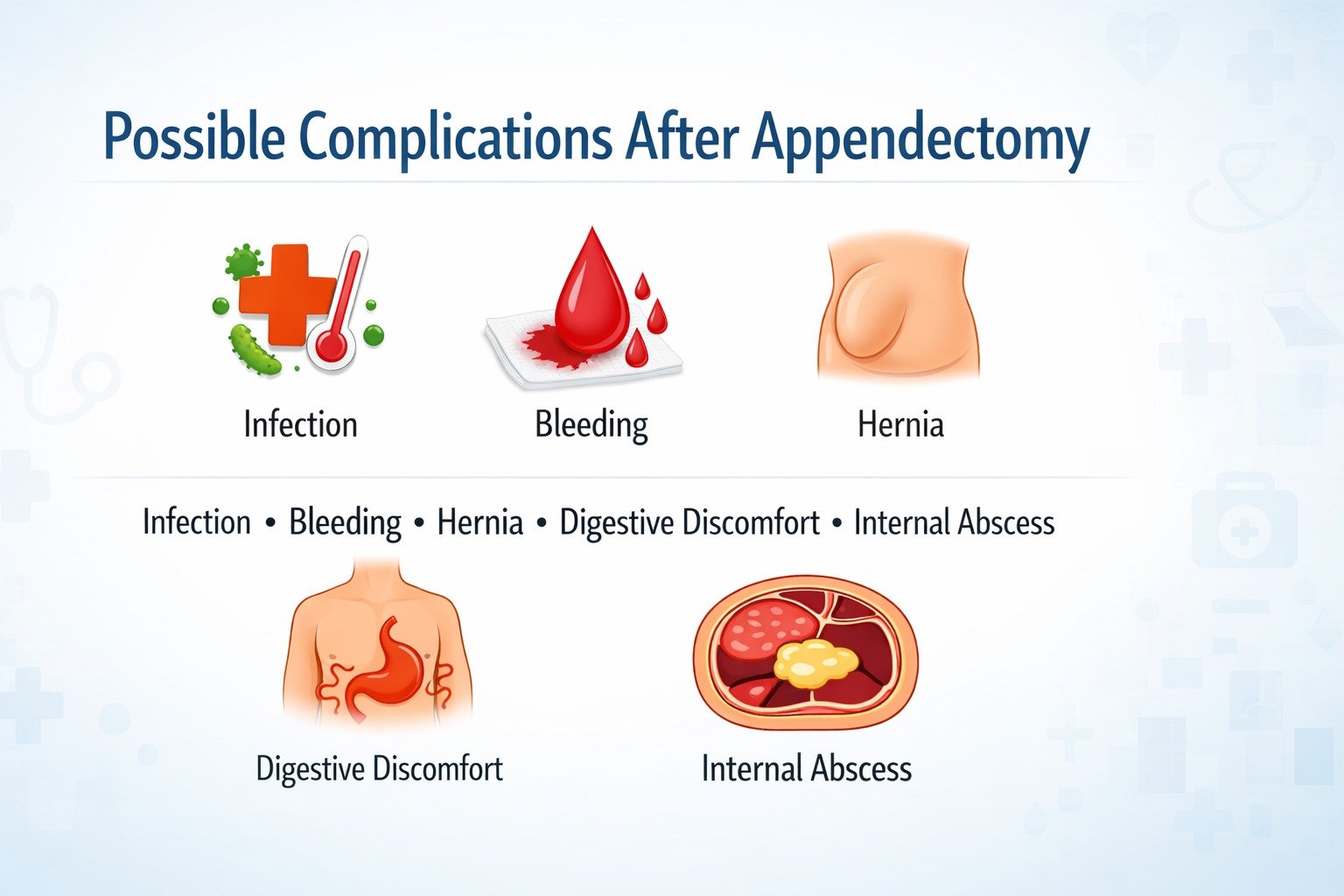
Possible complications include:
- Infection
- Bleeding
- Blood clots
- Injury to nearby organs
- Bile leakage
- Reaction to anesthesia
Fortunately, serious complications are uncommon when surgery is performed by an experienced surgeon.
When Should You Contact Your Doctor?
You should seek medical attention if you experience:
- High fever
- Severe abdominal pain
- Persistent vomiting
- Excessive swelling
- Yellowing of the skin
- Signs of infection around the incision
Prompt treatment can prevent complications and support faster recovery.
Why Experience Matters in Laparoscopic Surgery
Choosing an experienced surgeon can improve surgical outcomes and reduce the risk of complications.
Patients searching for the Best Laparoscopic Hernia Surgeon in Thane often look for specialists who have extensive experience in minimally invasive procedures and patient-centered care.
Similarly, advanced laparoscopic techniques are widely used for gallbladder surgery because they offer faster recovery and less postoperative discomfort.
Related Surgical Expertise
Many surgeons who perform gallbladder surgery also manage hernia conditions and other abdominal disorders.
Patients considering Laparoscopic Hernia Surgery in Thane often benefit from the same minimally invasive surgical principles used in gallbladder removal procedures.
If you have abdominal symptoms and need a specialist consultation, a qualified Hernia Doctor in Thane can evaluate your condition and recommend the appropriate treatment plan.
Complex abdominal conditions may also require assessment by a Hernia Specialist in Thane who has expertise in laparoscopic and advanced surgical techniques.
For patients requiring surgical intervention, an experienced Hernia Surgeon in Thane can provide safe and effective treatment options based on individual needs.
Why Choose Dr. Sunil Bangera?
Dr. Sunil Bangera is dedicated to providing comprehensive surgical care using modern minimally invasive techniques. His approach focuses on accurate diagnosis, patient safety, and faster recovery.
For patient reviews and location details:
Laparoscopic Doctor Thane
Conclusion
Gallbladder disease can significantly affect your quality of life, but timely treatment can provide lasting relief. Understanding the procedure, recovery process, and possible risks helps patients feel more confident about surgery. With modern laparoscopic techniques, gallbladder removal is safer than ever and offers faster recovery with excellent outcomes. If you experience symptoms such as abdominal pain, nausea, or gallstone-related complications, consult an experienced surgeon to discuss the most suitable treatment options.