
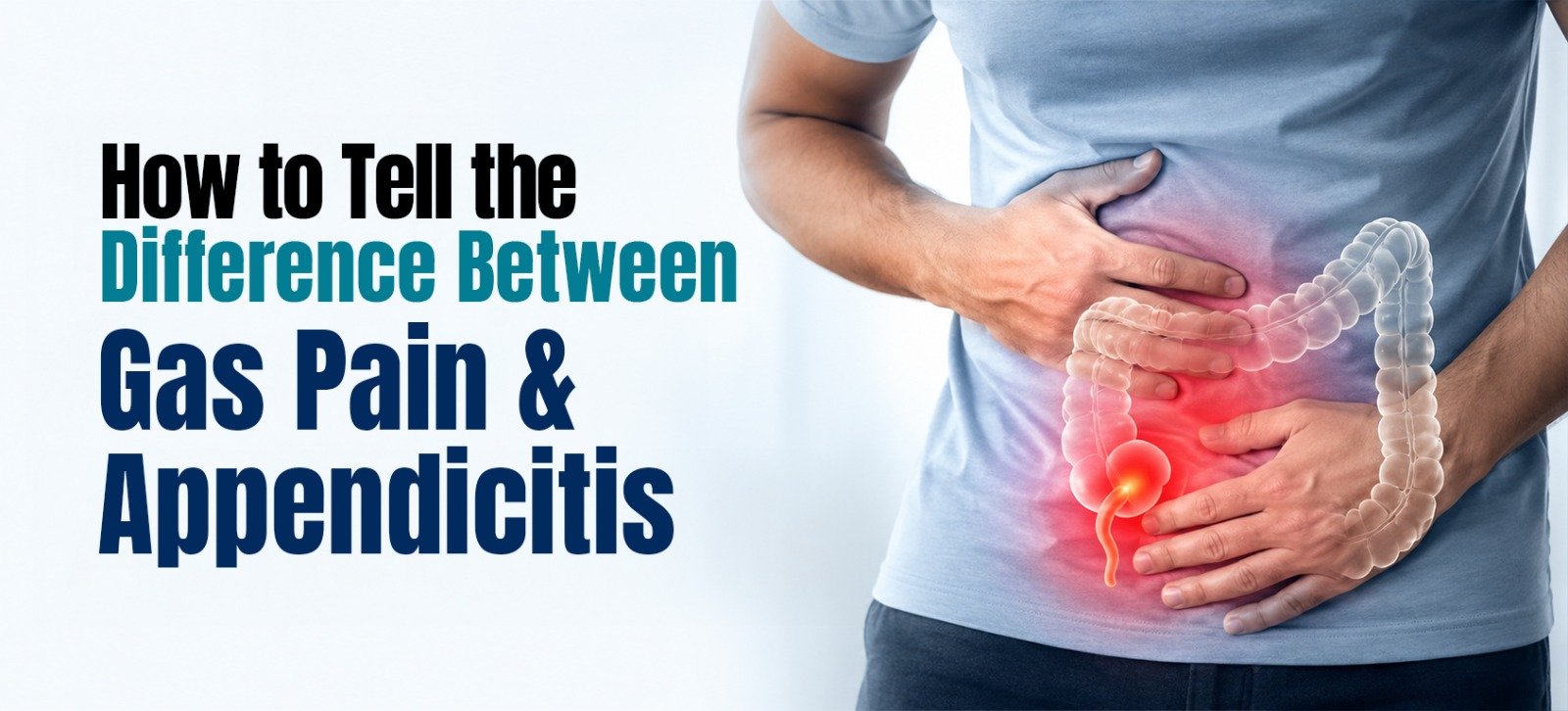
How to Tell the Difference Between Gas Pain and Appendicitis
Stomach pain is a common problem that many people experience. However, it is not always easy to know the exact cause. How to Tell the Difference Between Gas Pain and Appendicitis is an important topic because while gas pain is usually harmless and temporary, appendicitis is a medical emergency that often requires immediate surgery. Knowing the difference can help you seek the right treatment at the right time and avoid serious complications.
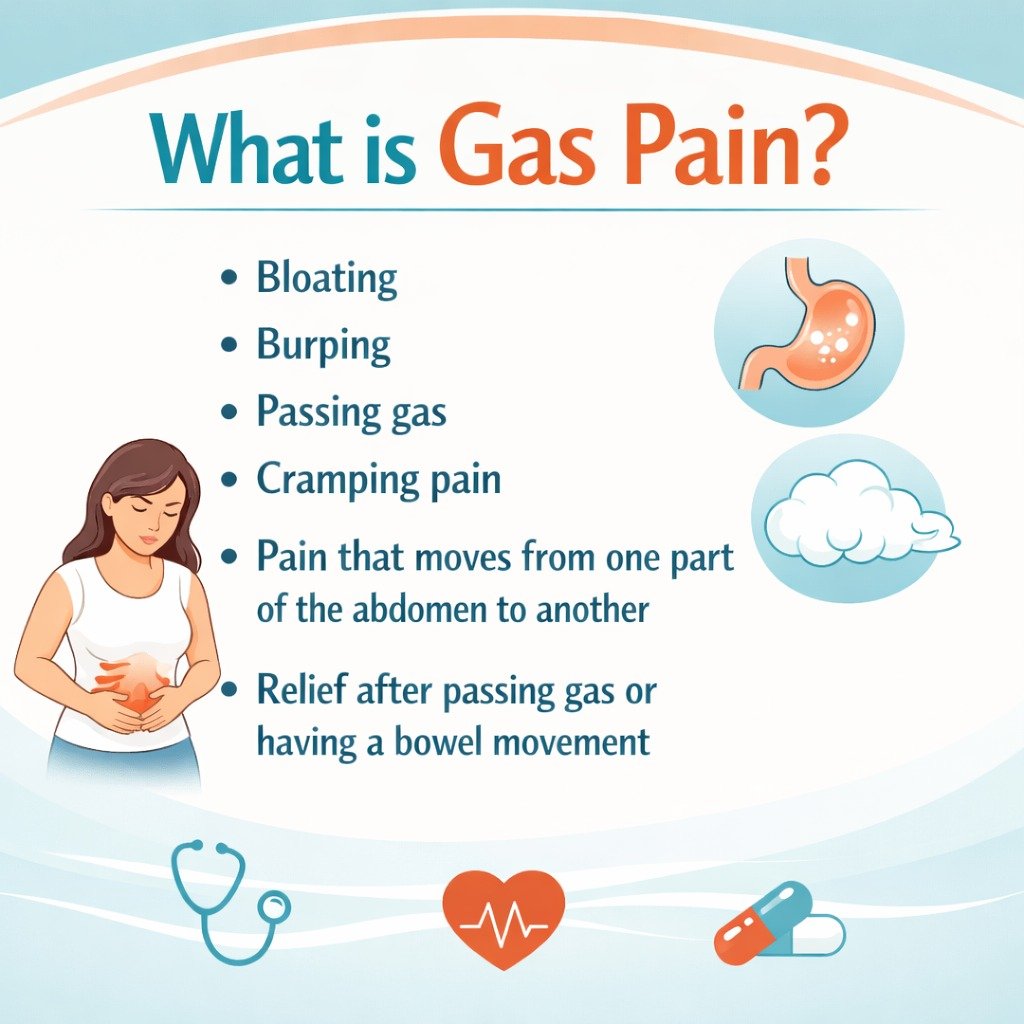
What is Gas Pain?
Gas pain occurs when excess gas builds up in your digestive system. It can happen after eating certain foods, swallowing air while eating, constipation, or digestive disorders. Gas pain is usually uncomfortable but not dangerous.
Common symptoms of gas pain include:
- Bloating
- Burping
- Passing gas
- Cramping pain
- Pain that moves from one part of the abdomen to another
- Relief after passing gas or having a bowel movement
Although gas pain can be severe, it usually improves within a few hours.
What is Appendicitis?
Appendicitis is the inflammation of the appendix, a small finger-shaped pouch attached to the large intestine. If left untreated, the appendix may burst, leading to a serious infection inside the abdomen.
Appendicitis requires urgent medical attention and is one of the most common reasons for emergency abdominal surgery.
Difference Between Gas Pain and Appendicitis
Understanding the symptoms can help identify whether your pain is likely caused by gas or appendicitis.
Gas Pain | Appendicitis |
Pain may move around the abdomen | Pain usually starts near the belly button and shifts to the lower right side |
Pain often improves after passing gas | Pain becomes worse over time |
Bloating is common | Fever may develop |
Usually no loss of appetite | Loss of appetite is common |
No severe tenderness | Severe tenderness when pressing the abdomen |
Improves naturally | Requires urgent medical treatment |
The location, duration, and severity of pain are the biggest differences between the two conditions.
Where Does Appendicitis Pain Occur?
Appendicitis pain usually follows a typical pattern:
- Starts near the belly button
- Moves to the lower right abdomen
- Becomes sharper over several hours
- Increases while walking, coughing, or moving
The pain generally becomes constant rather than coming and going.
Symptoms of Gas Pain
Gas pain may include:
- Fullness after meals
- Tightness in the stomach
- Frequent burping
- Passing excessive gas
- Mild abdominal cramps
- Pain that changes location
Most people notice significant relief after releasing gas.
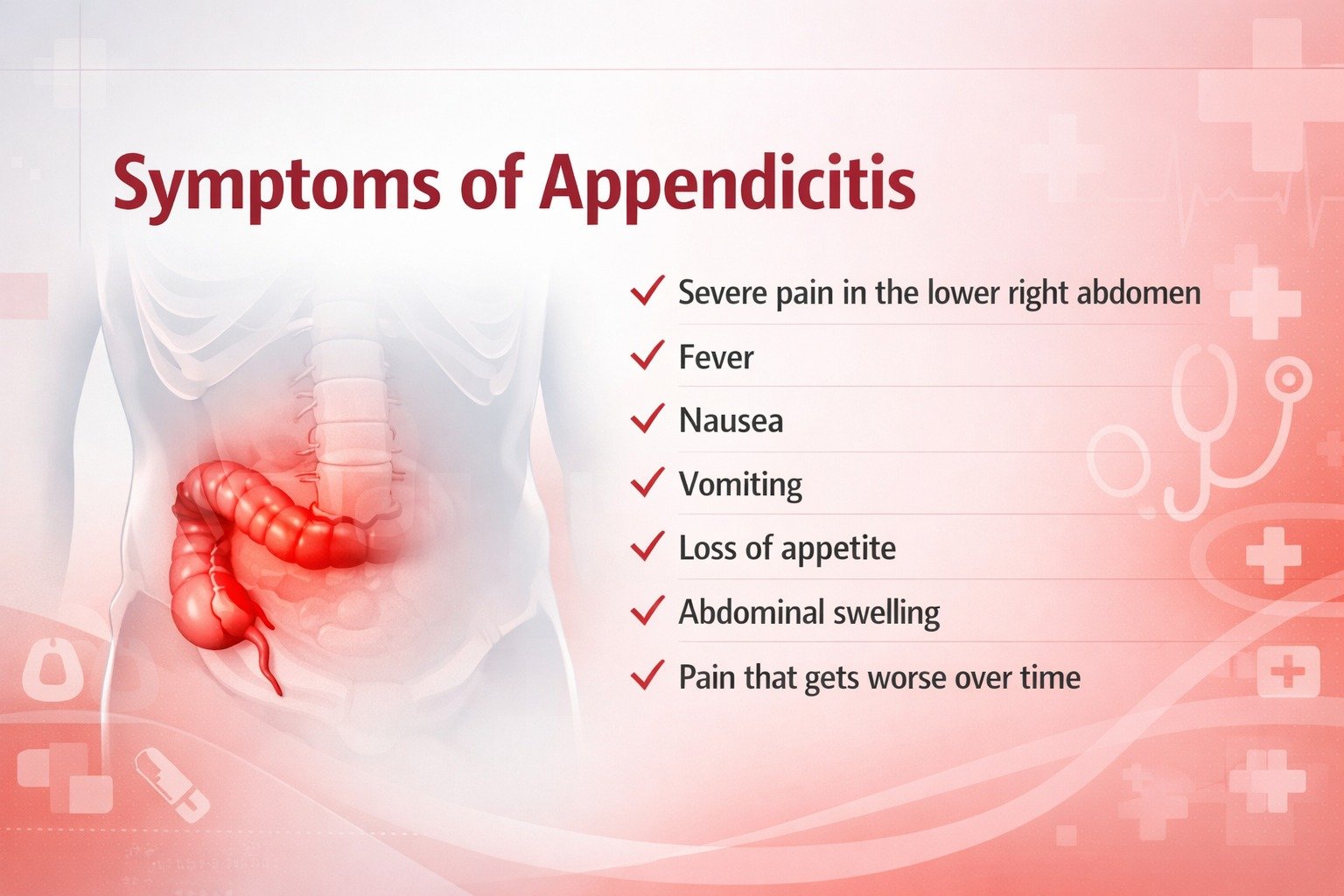
Symptoms of Appendicitis
Appendicitis usually presents with several warning signs:
- Severe pain in the lower right abdomen
- Fever
- Nausea
- Vomiting
- Loss of appetite
- Abdominal swelling
- Pain that gets worse over time
These symptoms should never be ignored because delayed treatment increases the risk of a ruptured appendix.
When Should You Visit a Doctor?
Many people mistake appendicitis for simple stomach pain and delay treatment. You should seek immediate medical attention if:
- Pain lasts more than a few hours
- Pain becomes severe
- You develop fever
- Vomiting continues
- Walking becomes painful
- Pressing the abdomen causes severe tenderness
- Pain shifts to the lower right side
If you experience these symptoms, consult an experienced Laparoscopic Surgeon in Thane without delay for proper evaluation.
How is Appendicitis Diagnosed?
Doctors diagnose appendicitis through a combination of:
Physical Examination
The doctor checks the location of pain and tenderness.
Blood Tests
Blood tests help detect signs of infection.
Ultrasound
Ultrasound is commonly used, especially in children and pregnant women.
CT Scan
CT scans provide a detailed view of the appendix and surrounding organs.
Early diagnosis helps reduce complications and improves recovery.
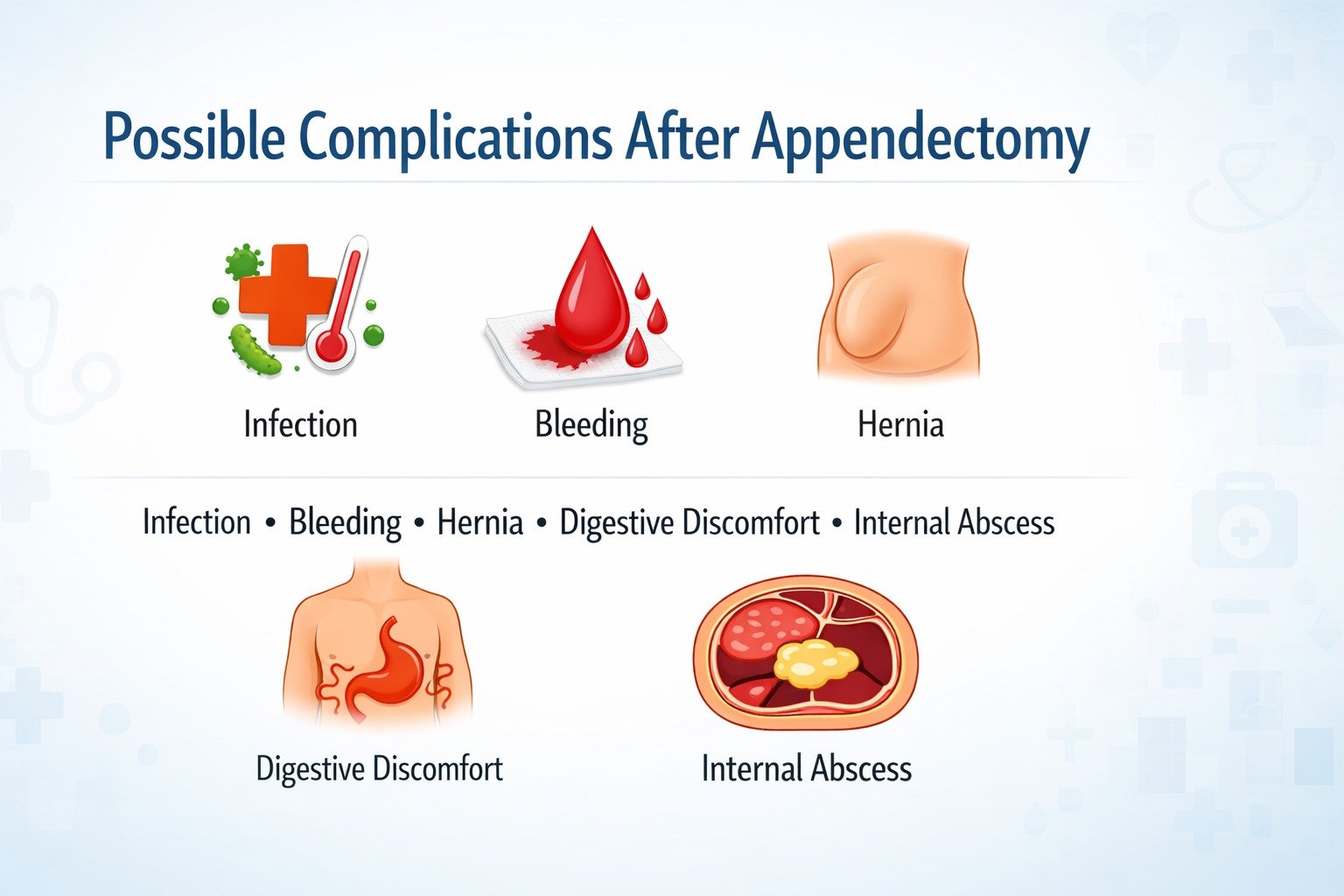
Treatment for Appendicitis
Unlike gas pain, appendicitis usually cannot be treated at home.
The most effective treatment is surgical removal of the appendix, known as an appendectomy.
Today, most appendectomies are performed using Laparoscopic Surgery in Thane which involves small incisions, less pain, faster recovery, and minimal scarring compared to traditional open surgery.
Advantages of Laparoscopic Surgery
Laparoscopic surgery offers several benefits:
- Smaller incisions
- Less blood loss
- Reduced pain after surgery
- Faster recovery
- Shorter hospital stay
- Lower risk of infection
- Better cosmetic results
Modern laparoscopic procedures have become the preferred treatment for appendicitis in most patients.
Can Gas Pain Be Managed at Home?
Yes. Mild gas pain often improves with simple home remedies such as:
- Drinking plenty of water
- Walking after meals
- Eating slowly
- Avoiding carbonated drinks
- Limiting gas-producing foods
- Taking prescribed digestive medications if recommended by a doctor
However, persistent abdominal pain should always be evaluated by a medical professional.
Why Early Treatment Matters
If appendicitis is ignored, the appendix can rupture within 24–72 hours after symptoms begin. This may lead to:
- Serious abdominal infection
- Abscess formation
- Sepsis
- Longer hospital stay
- More complicated surgery
Seeking treatment early helps avoid these potentially life-threatening complications.
Choosing the Right Surgeon
If you are experiencing severe abdominal pain, choosing an experienced Best Laparoscopic Surgeon in Thane can make a significant difference in diagnosis, treatment, and recovery.
Patients often ask about Laparoscopic Surgery cost in Thane before treatment. The overall cost depends on factors such as the hospital, patient’s condition, diagnostic investigations, insurance coverage, and the complexity of the surgery.
For accurate diagnosis and advanced minimally invasive treatment, consult an experienced Laparoscopic Doctor in Thane who can recommend the most appropriate treatment based on your condition.
If your abdominal pain is related to a hernia or another surgical condition, you can learn more here:
Hernia Doctor in Thane
You can also visit the clinic location here:
Hernia Surgeon in Thane
Tips to Maintain Good Digestive Health
While appendicitis cannot always be prevented, healthy digestive habits may reduce common causes of abdominal discomfort.
- Eat a balanced, high-fiber diet.
- Drink enough water daily.
- Exercise regularly.
- Avoid overeating.
- Eat meals slowly.
- Limit highly processed foods.
- Seek medical advice for persistent abdominal pain.
Conclusion
Knowing How to Tell the Difference Between Gas Pain and Appendicitis can help you make informed decisions about your health. Gas pain is usually temporary and improves after passing gas or making simple dietary changes. Appendicitis, however, causes persistent pain that becomes more severe and requires immediate medical treatment. If you experience worsening abdominal pain, fever, vomiting, or pain in the lower right side of your abdomen, do not delay medical care. Early diagnosis and timely laparoscopic treatment can prevent complications and ensure a faster, safer recovery.